
Tim Cook's Curtain Call: His Last WWDC Keynote and What Changes for Every iOS Developer
Tim Cook delivers his final WWDC keynote on June 8 before handing the CEO role to hardware chief John Ternus on September 1. After 15 years, a $350B-to-$4T run, and a developer ecosystem of 2.3 billion devices, here's what the transition actually means for people who write Swift for a living.
Apple Said 'All Systems Glow.' Developers Said 'Not So Fast.'
Apple dropped its WWDC 2026 tagline yesterday and the developer forums immediately caught fire. Half the community is excited for iOS 27's AI overhaul. The other half is already mourning the operating system they used to love. With six days until the keynote, here's what the divide tells us about where Apple is headed.
Your App Just Got an Eviction Notice: Liquid Glass Is Mandatory in iOS 27
Apple confirmed Liquid Glass is non-negotiable in Xcode 27. Your custom tab bars, navigation views, and carefully crafted layouts are about to meet a wrecking ball called UIDropShadowView. Here's exactly what breaks, what the timeline looks like, and how to survive the migration before WWDC drops on June 8.

Your Bug Fix Is Behind 235,800 Vibe-Coded Apps. Welcome to App Review in 2026.
App Store review times ballooned from under 24 hours to multi-week waits after vibe coding drove an 84% surge in submissions. Indie developers with critical bug fixes are stuck behind a flood of AI-generated apps. Here's the data, the developer stories, and what you can actually do about it.

Liquid Glass Turns One. We're Still Squinting.
Apple's Liquid Glass design language is celebrating its first birthday — and the party is divided. With WWDC 2026 two weeks away and iOS 27 doubling down, here's where things actually stand for developers: the wins, the accessibility mess, the adoption gap, and why your next SwiftUI update might need reading glasses.
Swift Has 217 Keywords Now. Nobody Agrees on What It's For.
Swift started as a simple, elegant language that composed beautifully. Twelve years later, it has 217 keywords, a governance problem, and an identity crisis. With WWDC 2026 weeks away, the community is asking: is Apple killing its own programming language?

Apple's WWDC 2026 Invite Says 'Coming Bright Up' — We Decoded Every Pixel
The WWDC 2026 media invites dropped yesterday with a glowing Swift logo and the tagline 'Coming Bright Up.' Here's what Apple is really telling us about Siri 2.0, the Gemini partnership, and what iOS developers should prepare for in the next 20 days.

Apple Just Invented the Gym Membership for Apps. Here's Why That's Brilliant.
iOS 26.5 shipped a new subscription model — monthly payments with a 12-month commitment. It's the gym membership of the App Store. And for indie developers bleeding from monthly churn, it might be exactly what the doctor ordered.
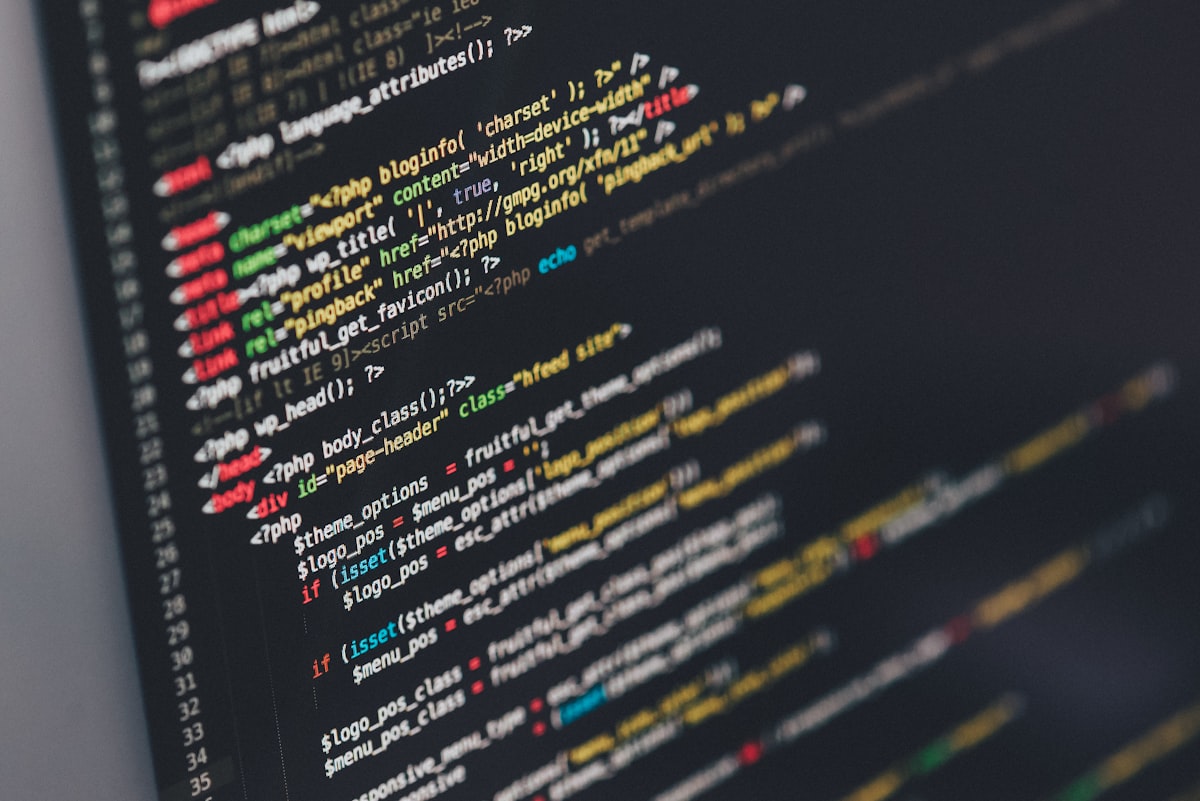
Xcode 26.5 Just Made Its AI Agent Less Annoying. Is That Enough?
Xcode 26.5 shipped two small features — message queuing and clarifying questions — that fix the most frustrating parts of agentic coding. Here's what actually changed, why it matters more than it sounds, and whether Apple's AI coding agent is finally ready for your daily workflow.

Apple Wants You to Move Into Siri's New House. Read the Lease First.
iOS 27 turns Siri into a full chat app with conversation history, document uploads, and deep app integration. Apple is courting developers to build for it — but won't promise it won't charge commission later. Here's why some developers are hesitating, and what you should actually do.

The App Store Just Had Its Biggest Quarter in History. Here's Why That's a Problem.
App Store submissions are up 80% on iOS. AI coding tools turned everyone into a developer overnight. But when 200,000 new apps hit the store every week, the question isn't whether you can build an app anymore — it's whether anyone will find it.

ThinkBud Just Got 5 Stars from Educational App Store
An independent panel of educators reviewed ThinkBud, gave it a 5/5 rating, and certified it. Here's what they said, what they didn't love, and what it means for the app.
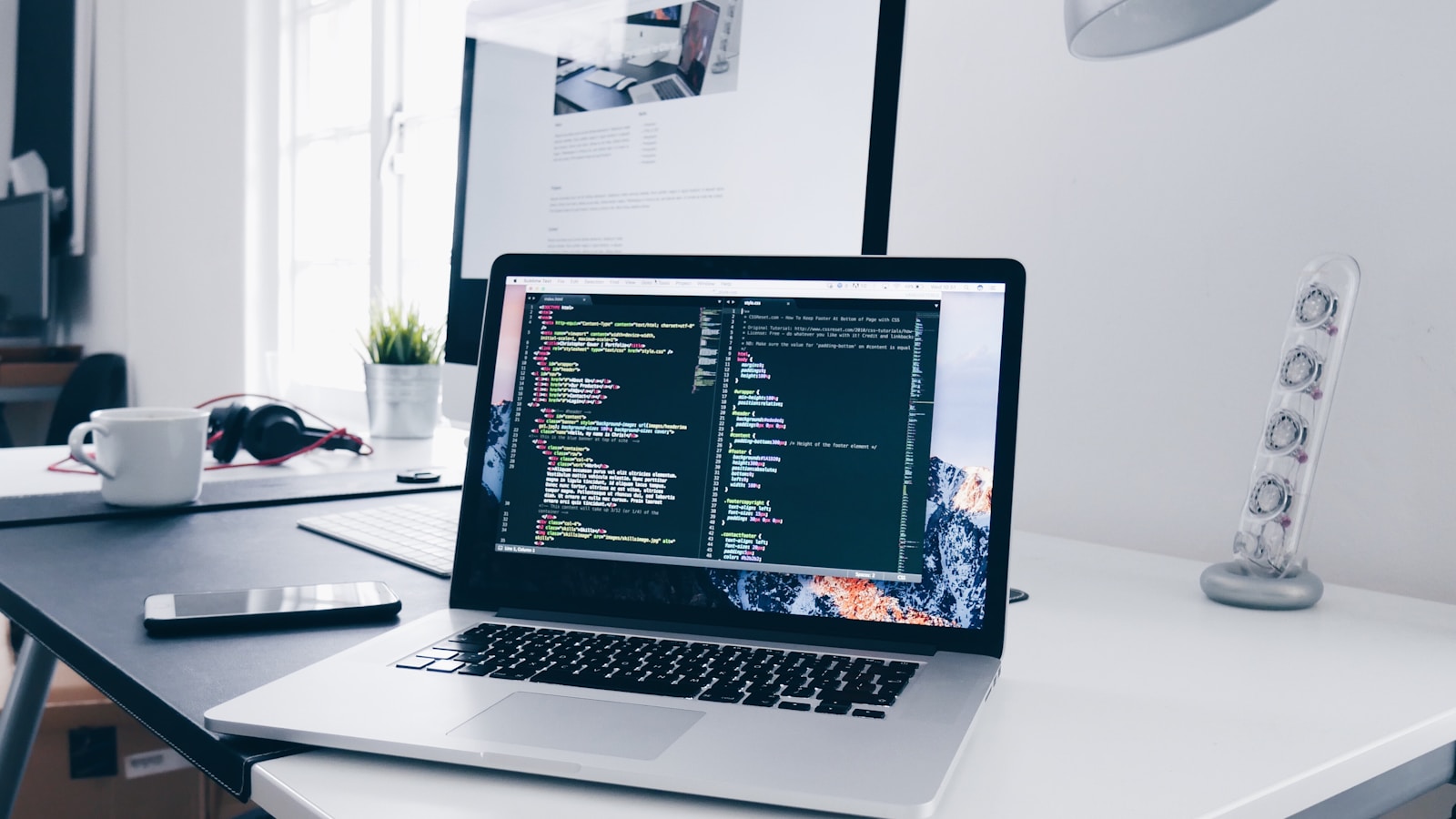
I've Been Pair Programming With Xcode's AI Agent for 3 Months. We Need to Talk.
Xcode 26.3 shipped agentic coding with Claude and Codex in February. Three months later, here's what it's genuinely great at, where it falls apart, and why it made me rethink how I write SwiftUI code — for better and worse.
iOS Interviews Are Broken in 2026 — And Everyone Knows It
Companies test you on raw Swift memorization while their production code is 40% AI-generated. The iOS interview process in 2026 is a theater performance nobody believes in anymore. Here's what's actually wrong and what should replace it.

Swift 6.3 on Android, Three Weeks In: What Actually Broke and What Surprised Me
When Apple shipped Swift 6.3 with first-class Android support last month, I bet a Saturday on porting a piece of ThinkBud's sync engine to Android. Three weeks of usage later — here's what stuck, what didn't, and the one bug that taught me more than a year of Swift Concurrency reading.
Swift 6.2 Finally Made Concurrency Approachable — Someone Already Built a Parody Site
Swift 6.2 ships @MainActor by default, the new @concurrent attribute, and a complete rethink of strict concurrency. We break down what changed, show real migration code, and explain why the community is both celebrating and arguing.
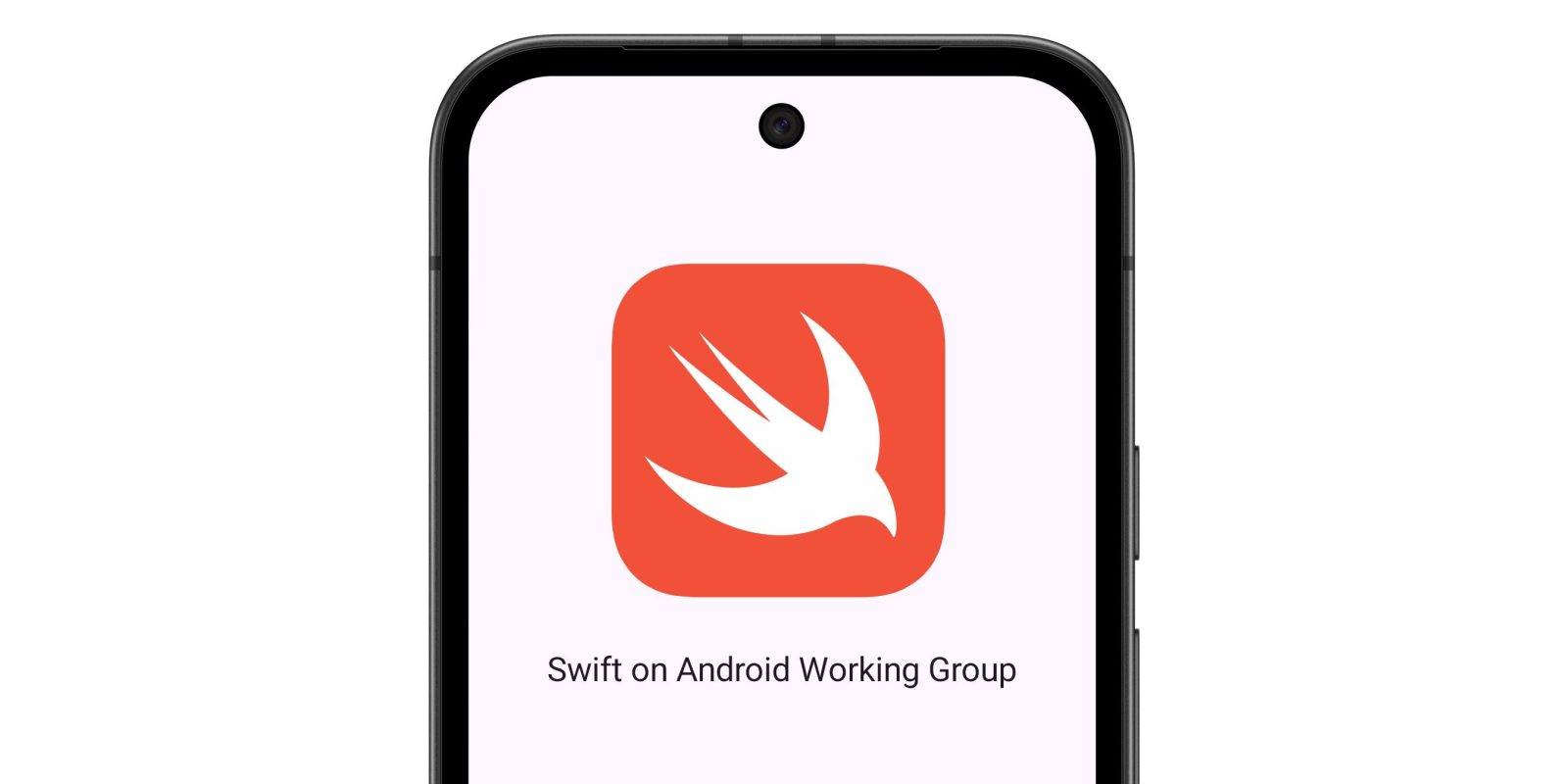
Swift 6.3 Now Officially Runs on Android. I Tried It. Here's What Actually Works.
Apple shipped an official Swift SDK for Android with Swift 6.3. Not a hack, not a community port — the real thing. We tested it on a real project and here's every win, every friction point, and the honest verdict on whether iOS developers should care.
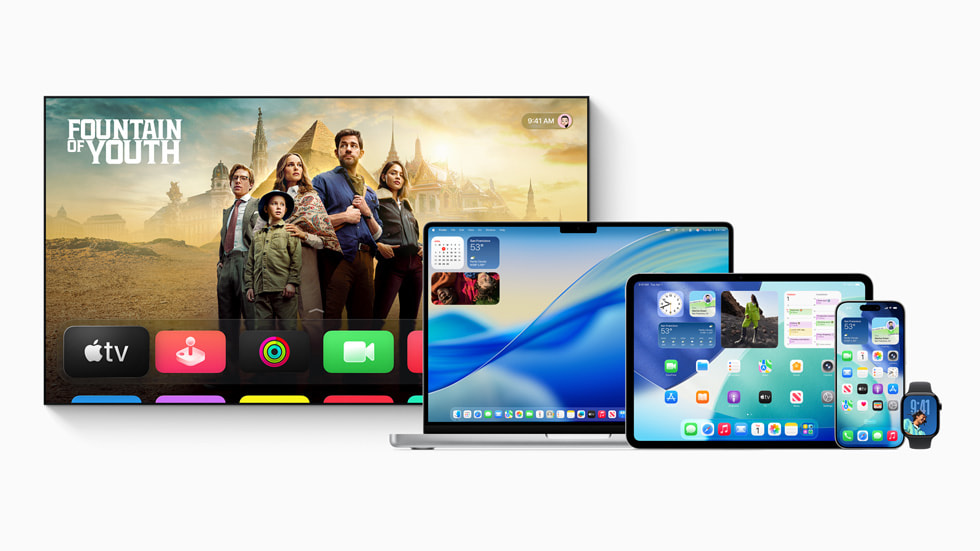
We Updated Our App Icon for iOS 26. Apple Now Wants Three of Them. So We Built a Tool.
iOS 26 Liquid Glass quietly tripled the work to ship an app icon — default, tinted, and dark variants for every iPhone app. Existing icon tools haven't caught up. We hit the wall updating ThinkBud last week, so we built a free generator. Here's what changed in iOS 26, why every iOS dev is about to learn this the hard way, and the tool we shipped to handle it.
Apple's iOS 26 SDK Deadline Hits Tomorrow. Half the App Store Isn't Ready.
April 28, 2026 — every app submitted to the App Store must be built with Xcode 26 and the iOS 26 SDK. If you haven't updated yet, your next submission gets rejected. Here's what's breaking, what you need to fix, and why this deadline is different.
I Migrated Two Apps to SwiftData. Eighteen Months Later, I'm Migrating Half of It Back.
SwiftData turns three at WWDC 2026. After running it in production across two shipping iOS apps for a year and a half, here's an honest field report — what works, what quietly broke, and the three places we went back to Core Data and don't regret it.
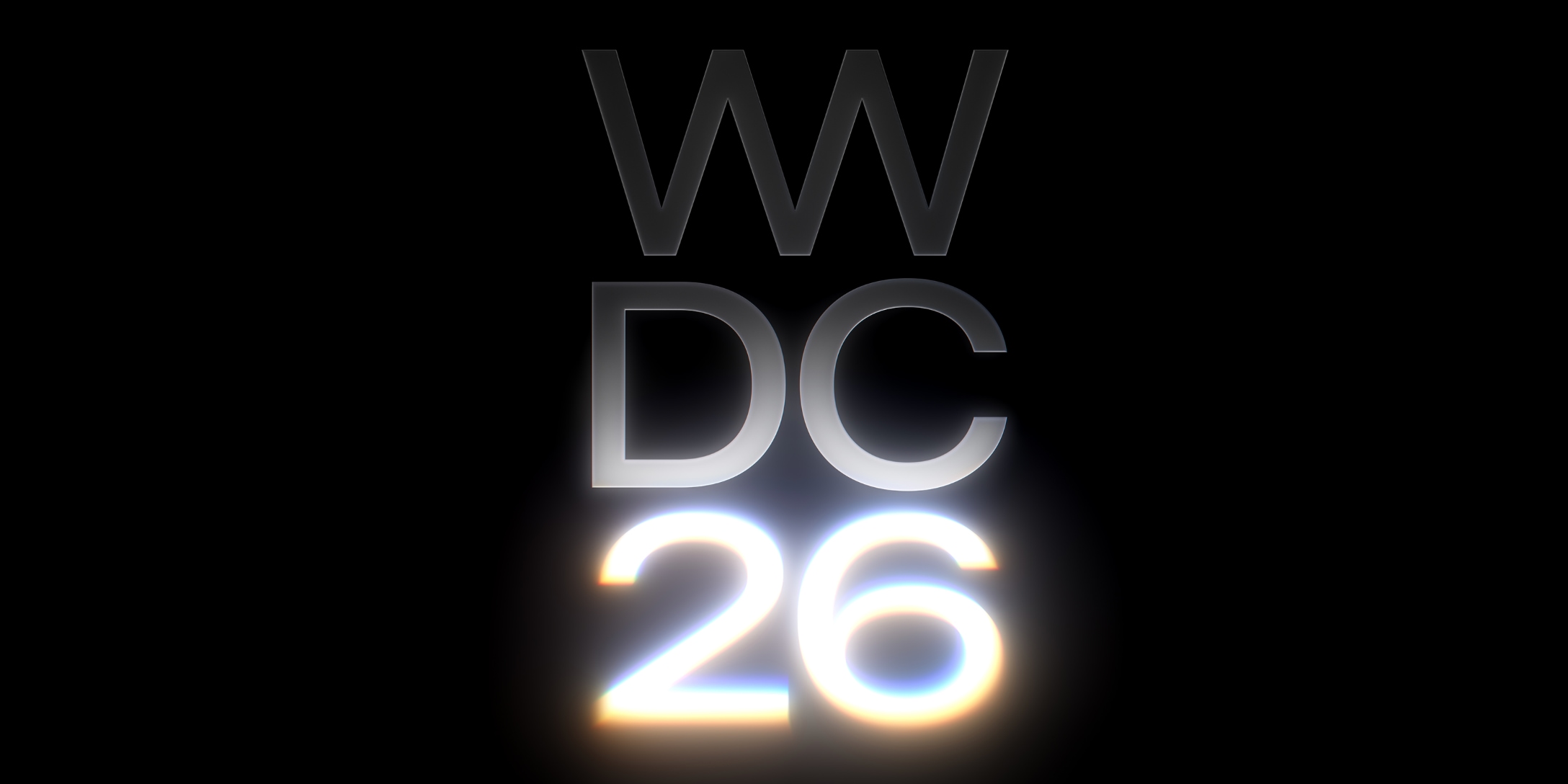
Apple Paid Google a Billion Dollars to Fix Siri. It Might Actually Work This Time.
Apple signed a $1B/year deal with Google to power Siri with Gemini. The WWDC 2026 graphic teases a full chatbot redesign in the Dynamic Island. Third-party AI extensions are coming. Here's what developers actually need to know.
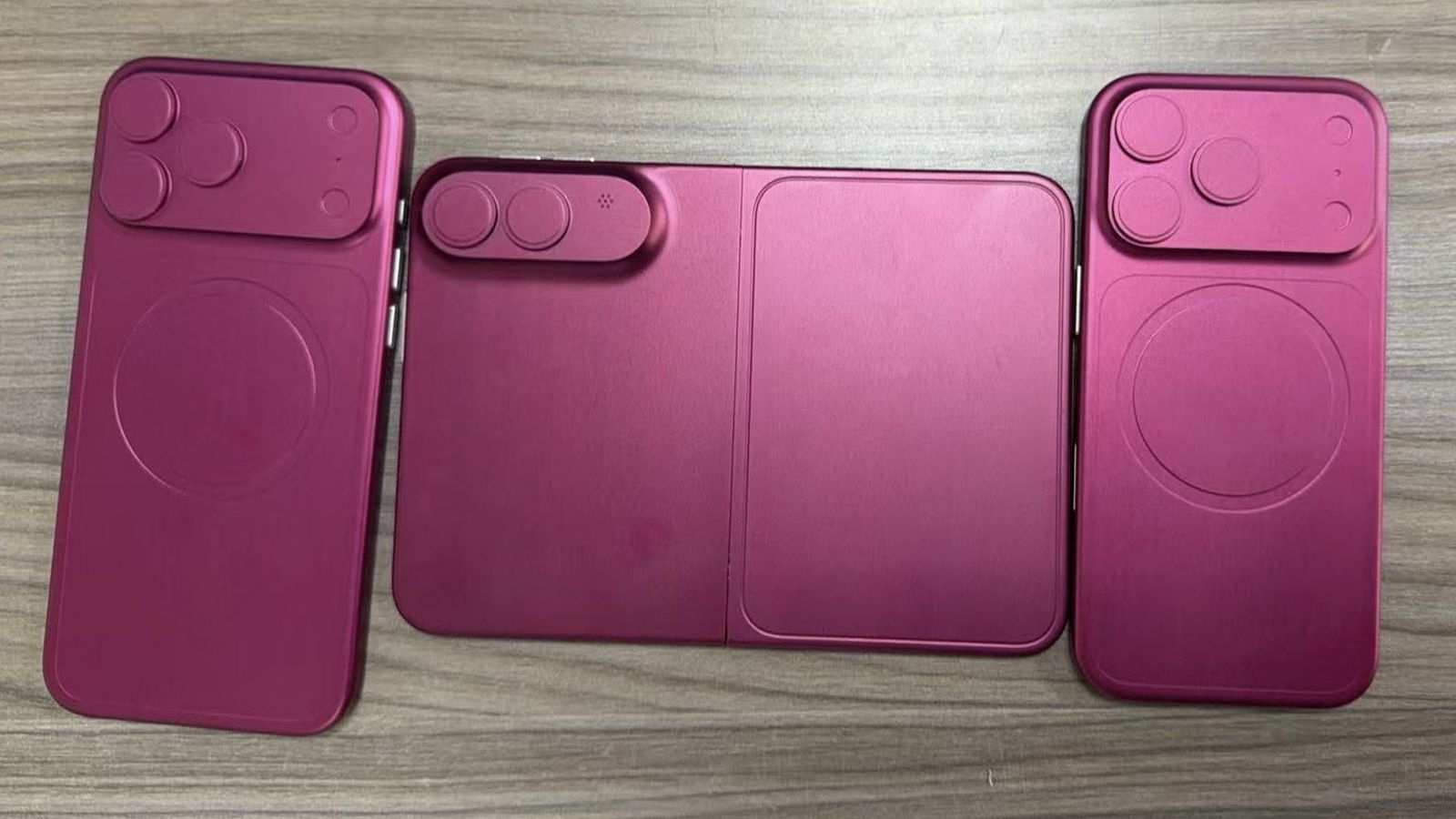
The iPhone Fold Ships in September. Your App Layout Just Had a Panic Attack.
Apple's foldable iPhone has entered trial production. A 7.76-inch inner display, book-style fold, and no Face ID. SwiftUI developers have a head start. UIKit holdouts should start stretching.
Apple Gave iOS a Makeover Nobody Asked For. Now Everyone Has to Live With It.
Liquid Glass is permanent, expanding, and mandatory in iOS 27. Apple's VP of design left for Meta. Developers lost customization options. Users can't read their screens. And Apple just told everyone to deal with it.

I Was Failing an Exam on a Tram. So I Built an App.
The story of how a panicked study session on public transit led to ThinkBud — an iOS app that turns any link, PDF, image, or audio into brain maps, flash cards, quizzes, and exportable presentations. Now available on the App Store.
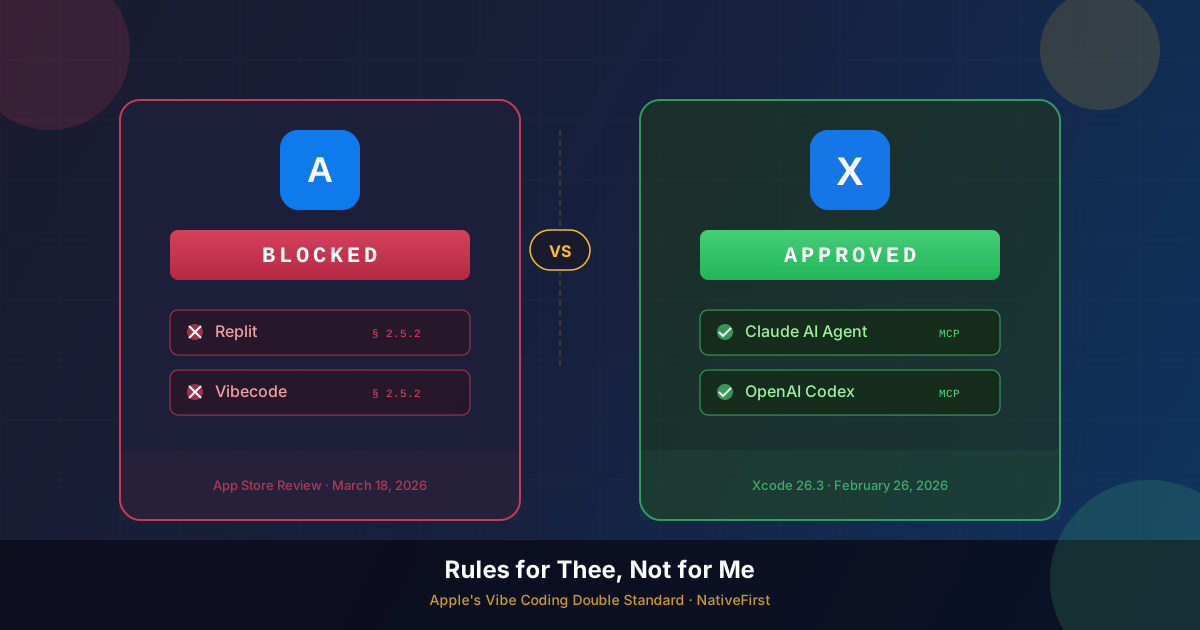
Apple Just Killed Vibe Coding on the App Store — While Shipping Its Own
Apple blocked Replit and Vibecode from the App Store on March 18, then shipped Xcode 26.3 with built-in AI coding agents a week later. The hypocrisy is stunning. The reasoning? Actually complicated. Let's talk about it.
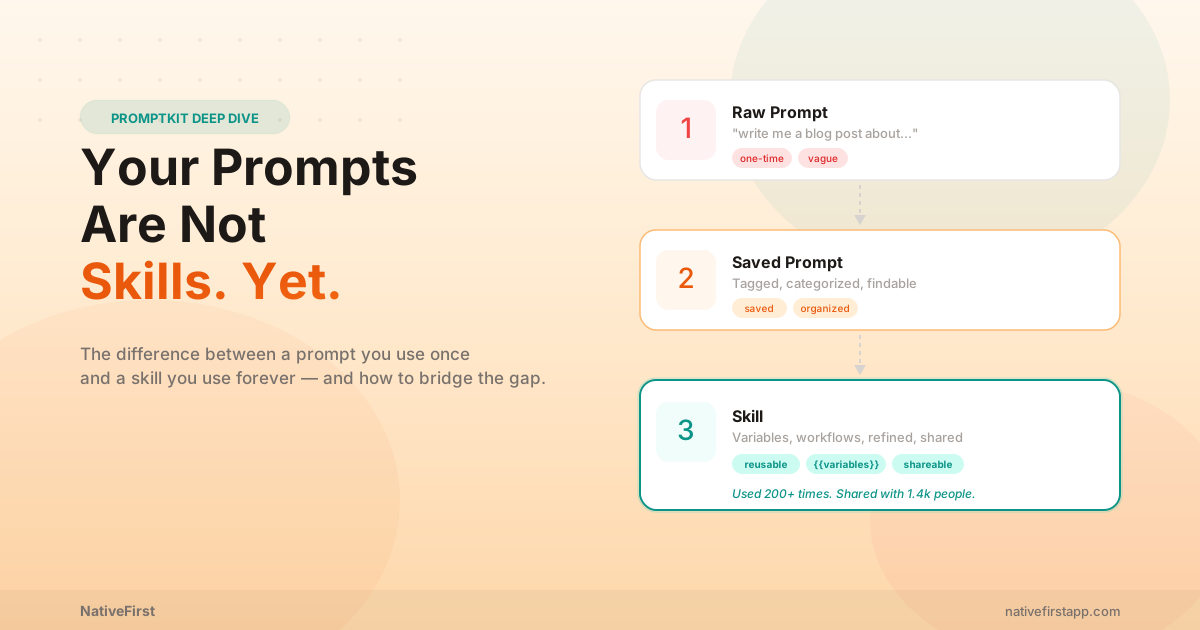
Your Prompts Are Not Skills. Yet.
Most people save prompts and think they're done. They're not. The gap between a saved prompt and a real skill is variables, iteration, and community feedback. Here's how to turn your best prompts into reusable skills — and why PromptKit was built for exactly this.
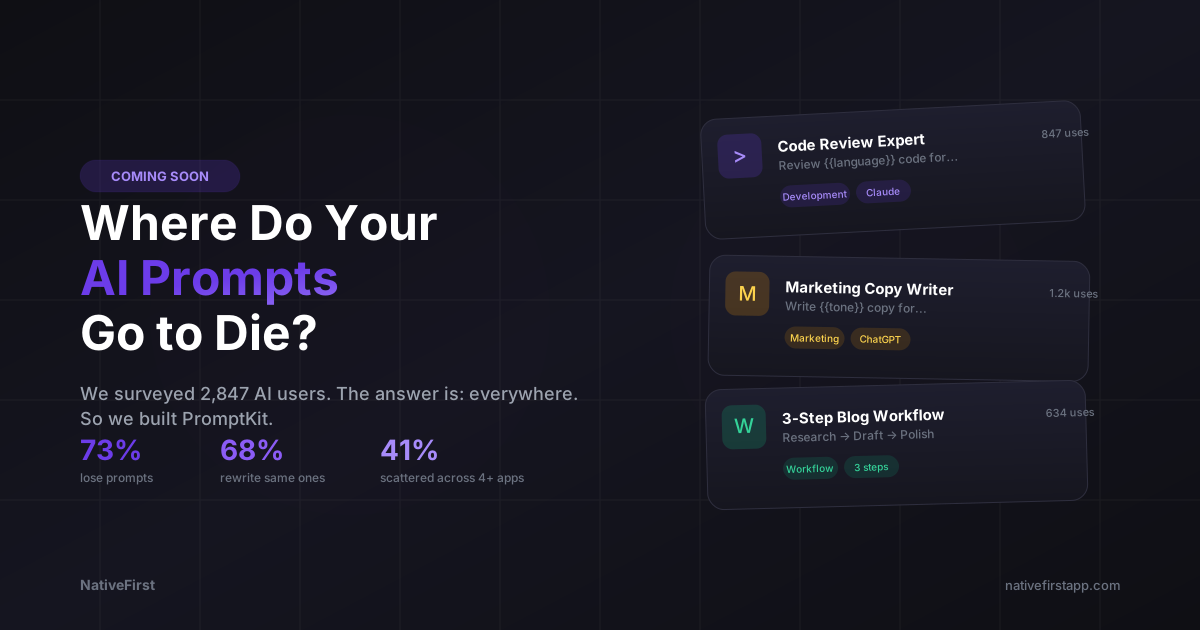
Where Do Your AI Prompts Go to Die?
We surveyed 2,847 AI users about their prompt habits. 73% lose prompts regularly. 68% rewrite the same ones. The average person stores prompts across 4.2 different apps. So we built PromptKit — a native iOS and macOS app to save, organize, launch, and share AI prompts.
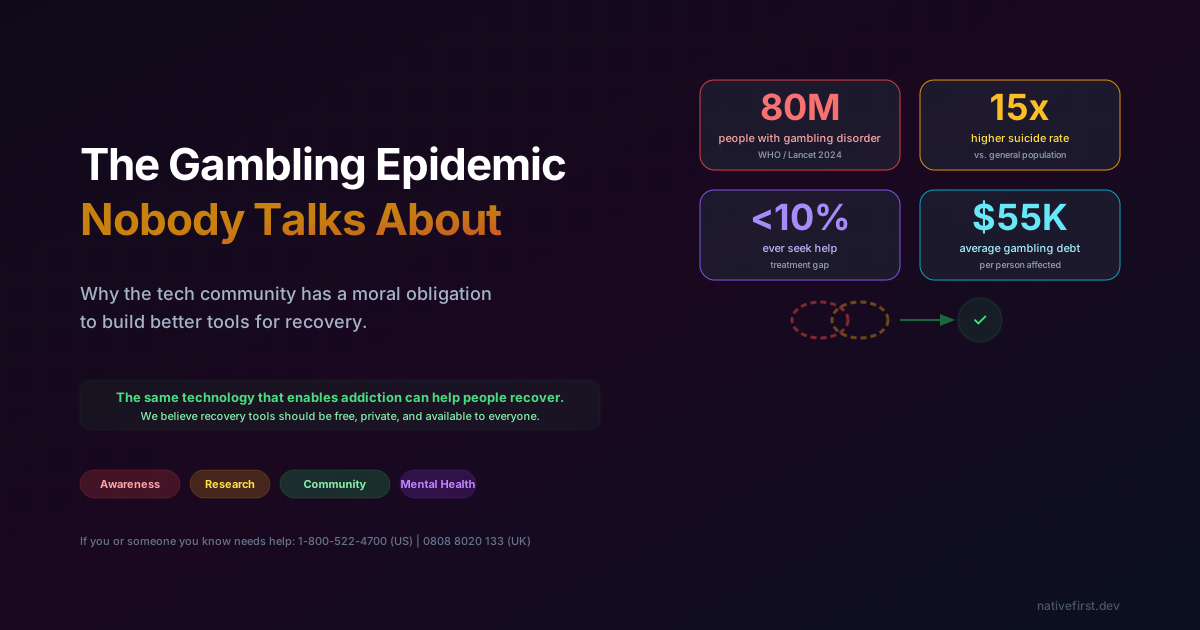
The Gambling Epidemic Nobody Talks About — And Why the Tech Community Must Act
80 million people worldwide struggle with gambling disorder. The suicide rate is 15 times the general average. Existing apps barely scratch the surface. Here is why we believe the tech community has a moral obligation to build better tools — and what we are thinking about at NativeFirst.
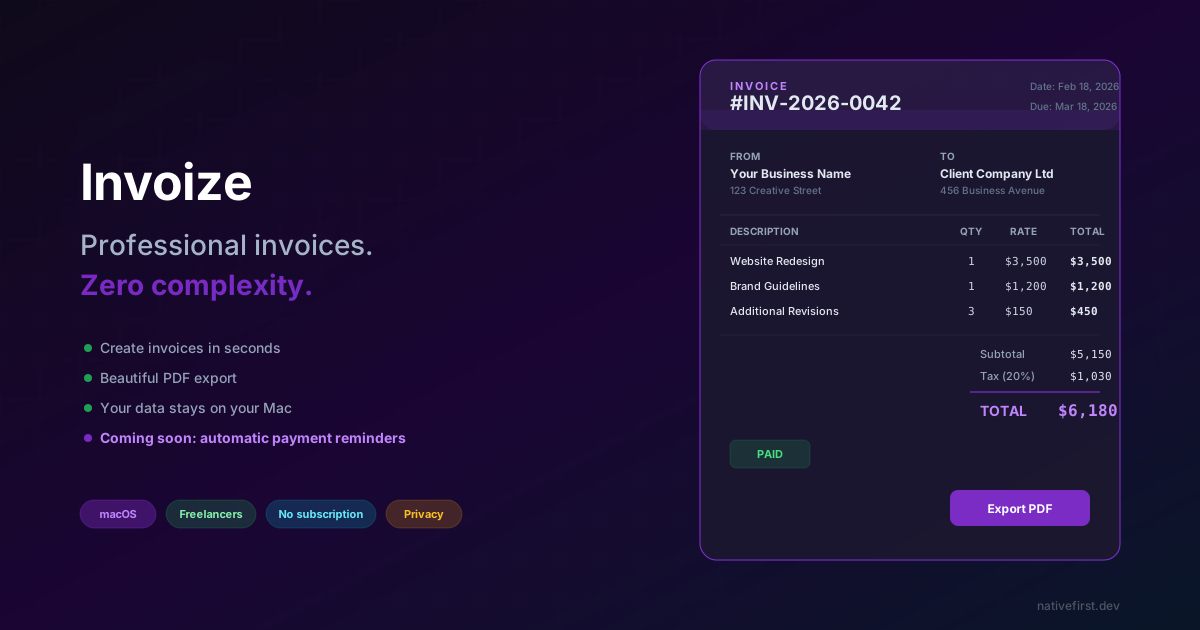
Why We Built Invoize — And What's Coming Next
Freelancers and small businesses deserve invoicing that just works. Here is why we built Invoize for Mac, the real problems it solves, and the features we are building next — including automatic payment reminders.
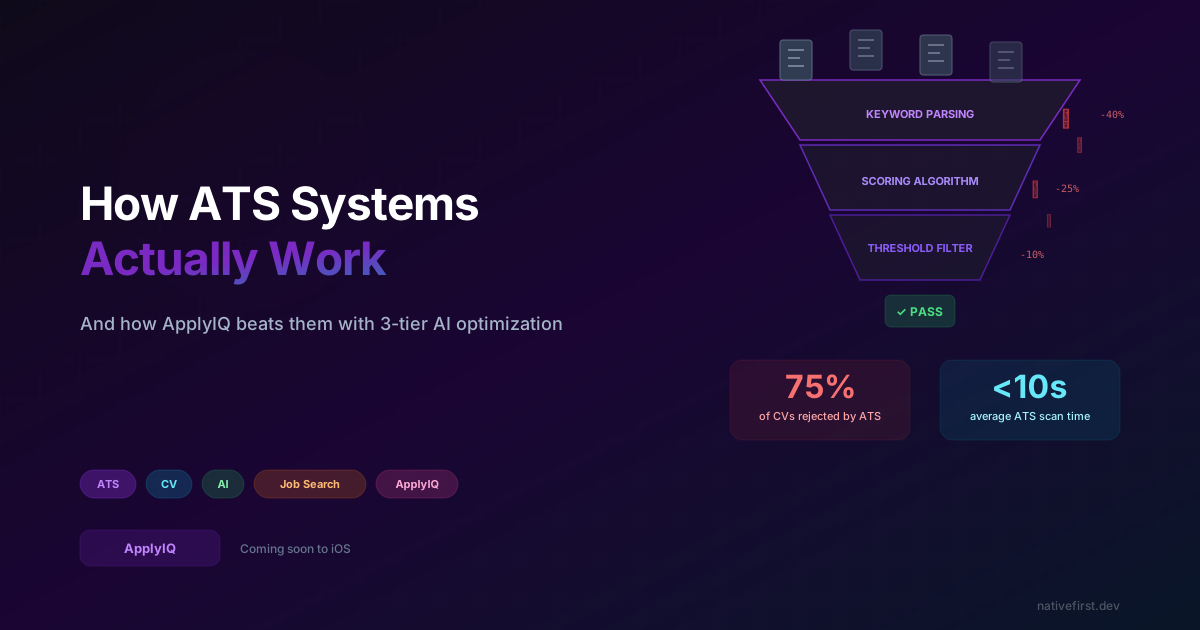
How ATS Systems Actually Work — And How RoleBud Beats Them
Most job applications are rejected by software before a human ever sees them. Here is how Applicant Tracking Systems filter your CV, what they look for, and how RoleBud's 3-tier AI optimization gets you past the algorithms and into the interview.
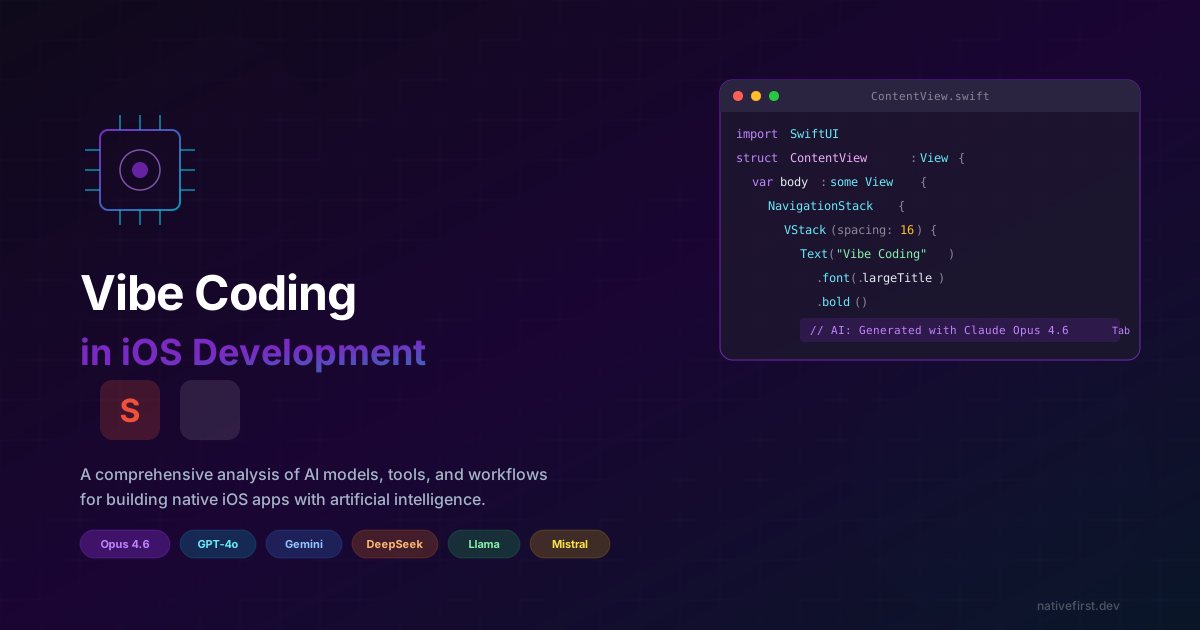
Vibe Coding in iOS Development: A Comprehensive Analysis of AI Models, Tools, and Workflows
After months of testing every major AI model and coding tool for native iOS development — from OpenAI to Anthropic, Cursor to Claude Code — here is what actually works, what does not, and why Claude Opus 4.6 changed everything.
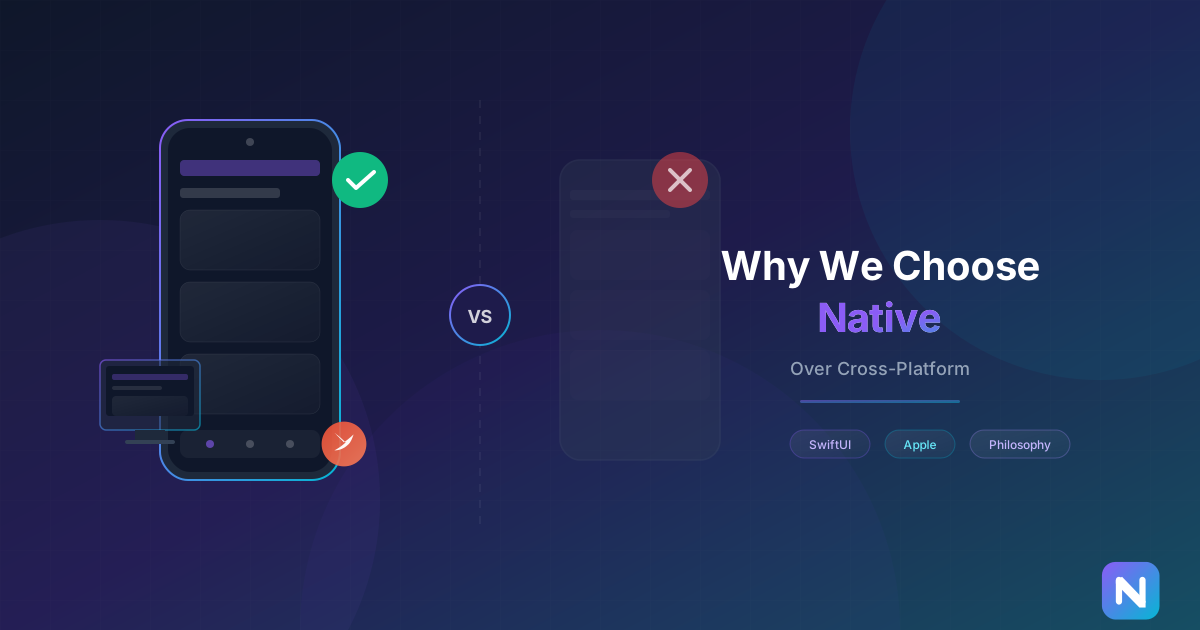
Why We Choose Native Over Cross-Platform
Our philosophy on building native Apple apps instead of using cross-platform frameworks, and why we believe native development leads to better user experiences.
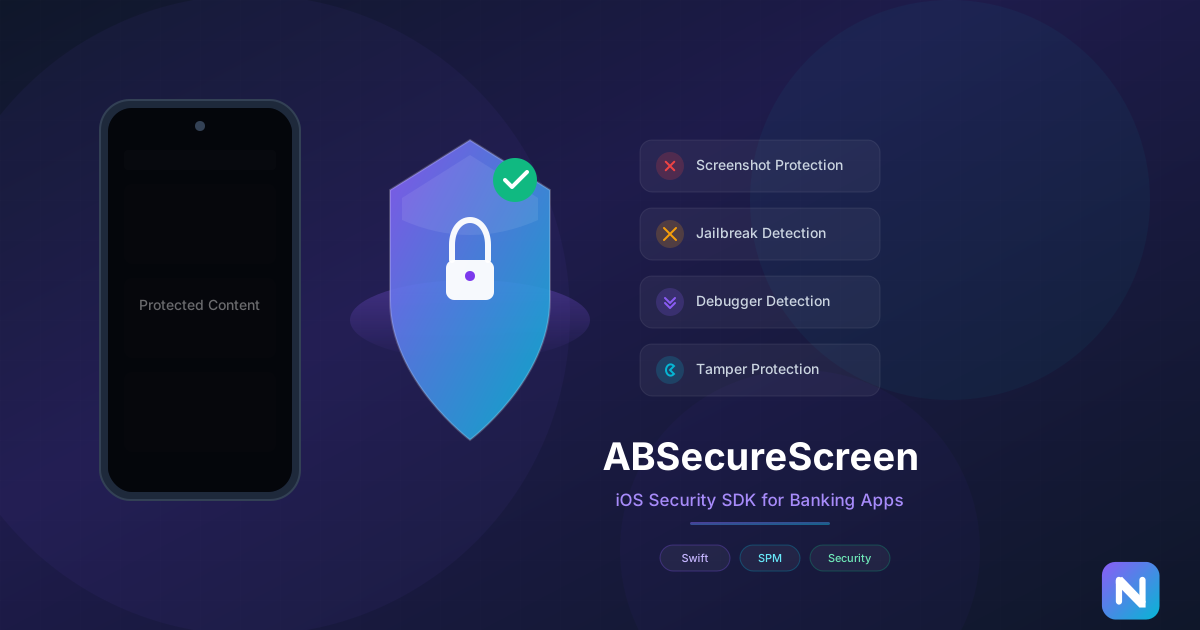
ABSecureScreen — Protecting Sensitive iOS App Content from Capture
How we built an open-source iOS security SDK that prevents screenshots, detects jailbreaks, and protects banking-grade app content — all in a lightweight Swift Package.
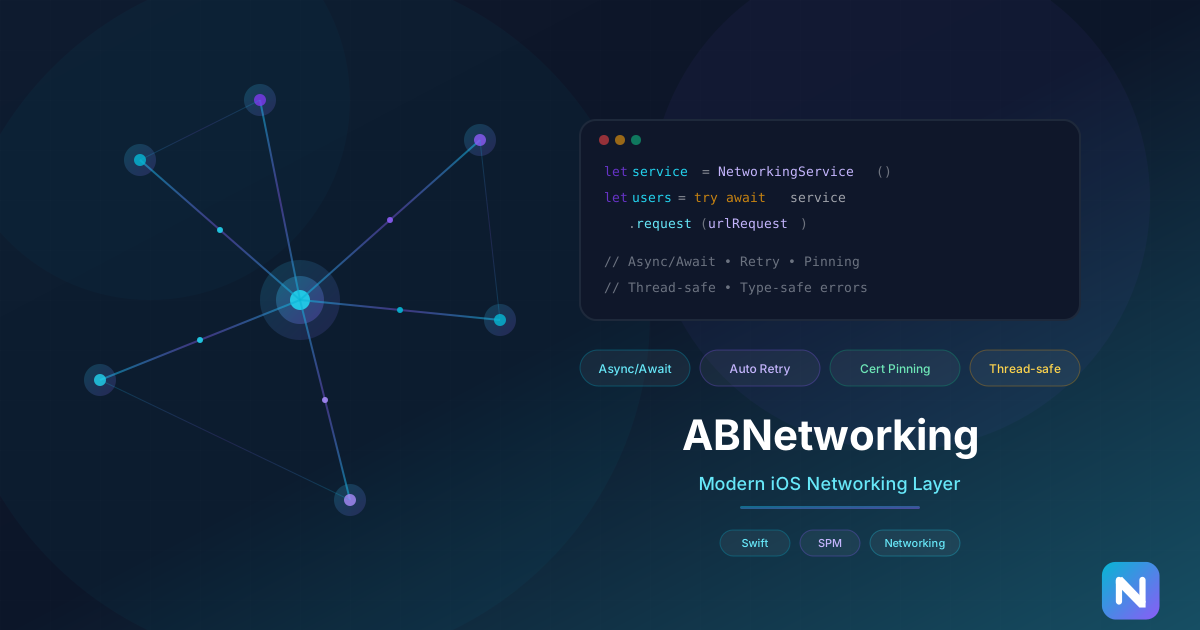
ABNetworking — A Modern, Production-Ready Networking Layer for iOS
We open-sourced the networking layer we use across our apps — async/await, automatic retry with exponential backoff, certificate pinning, and comprehensive error handling, all in one Swift Package.