
Tim Cook Wiped a Tear, Siri Got a Google Brain, and Apple Shipped a Transparency Slider. WWDC 2026, Honestly.
The WWDC 2026 keynote just happened. Tim Cook's emotional farewell, Siri rebuilt on Gemini, Core AI replacing Core ML, Xcode 27 going full MCP, and Liquid Glass finally getting a slider. Here's what actually matters for your iOS codebase — no press release fluff.

UIDesignRequiresCompatibility: When (and Why) Opting Out of Liquid Glass Is the Pro Move
Apple hands you one Info.plist key that freezes the old design for a full year. It's not a cop-out — for banking, enterprise, and apps caught mid-redesign, opting out of Liquid Glass is the responsible call. The exact flag, a real before/after from my own app, the deadline, and a decision matrix you can actually defend in a standup. Plus the per-screen rollout gate you should be testing instead.
Icon Composer and the New App-Icon Era: One Document Instead of Three Exported PNGs
iOS 26 wants your app icon in light, dark, clear, and tinted. The old way was three flat 1024px PNGs that quietly drifted apart. Icon Composer turns it into one layered .icon document the system relights for you. The real workflow from a single SVG to a full set — plus the one decision around icons you can actually unit-test.
Custom Liquid Glass Components: When to Leave the Defaults (and the Three Mistakes That Kill Your Frame Rate)
glassEffect(.regular, in:) with a custom shape, two glass blobs that morph into each other with glassEffectID, and the three things that turn buttery Liquid Glass into a stutter machine. Built on a real iPhone 17 Pro simulator, with the TDD seam that keeps the decision testable even though the render isn't.
Liquid Glass for an App You Already Shipped: What You Get From a Recompile vs. Five Lines of Tuning
I rebuilt a real SwiftUI app against the iOS 26 SDK and took two screenshots of the exact same screen — one with zero code changes, one with five lines of glassEffect. Here's the honest split between what the recompile hands you for free and what's worth your custom-tuning time, plus the TDD seam that makes a visual feature testable.
Your App Just Got an Eviction Notice: Liquid Glass Is Mandatory in iOS 27
Apple confirmed Liquid Glass is non-negotiable in Xcode 27. Your custom tab bars, navigation views, and carefully crafted layouts are about to meet a wrecking ball called UIDropShadowView. Here's exactly what breaks, what the timeline looks like, and how to survive the migration before WWDC drops on June 8.
Liquid Glass Turns One. We're Still Squinting.
Apple's Liquid Glass design language is celebrating its first birthday — and the party is divided. With WWDC 2026 two weeks away and iOS 27 doubling down, here's where things actually stand for developers: the wins, the accessibility mess, the adoption gap, and why your next SwiftUI update might need reading glasses.

WWDC 2026 Is 26 Days Away. This Is Your iOS Developer Pre-Flight Checklist.
WWDC 2026 lands June 8. SiriKit deprecation, Core AI replacing Core ML, Liquid Glass refinements, foldable iPhone APIs, and strict concurrency in Swift 7. Here's the practical pre-flight checklist to run through your codebase right now — before the keynote makes it urgent.
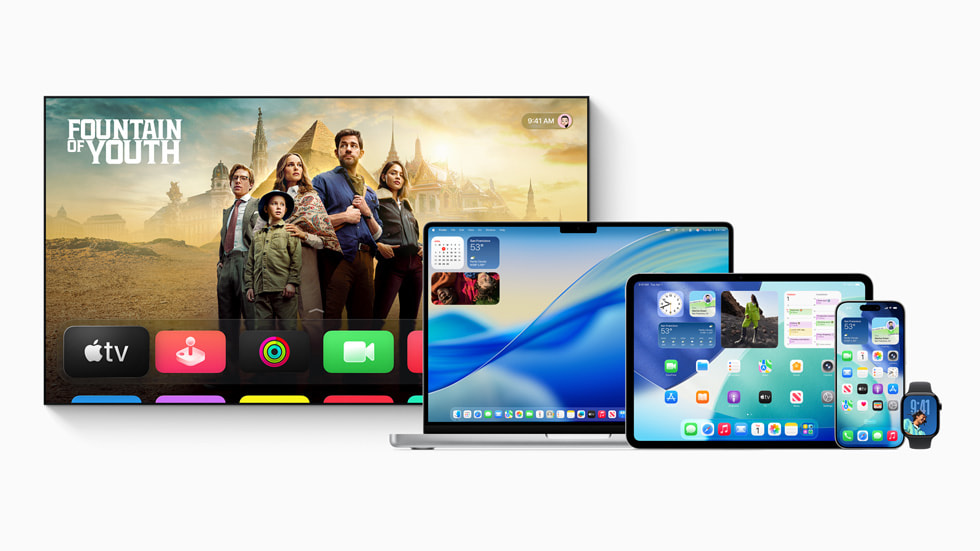
We Updated Our App Icon for iOS 26. Apple Now Wants Three of Them. So We Built a Tool.
iOS 26 Liquid Glass quietly tripled the work to ship an app icon — default, tinted, and dark variants for every iPhone app. Existing icon tools haven't caught up. We hit the wall updating ThinkBud last week, so we built a free generator. Here's what changed in iOS 26, why every iOS dev is about to learn this the hard way, and the tool we shipped to handle it.

Apple's iOS 26 SDK Deadline Hits Tomorrow. Half the App Store Isn't Ready.
April 28, 2026 — every app submitted to the App Store must be built with Xcode 26 and the iOS 26 SDK. If you haven't updated yet, your next submission gets rejected. Here's what's breaking, what you need to fix, and why this deadline is different.
Apple Gave iOS a Makeover Nobody Asked For. Now Everyone Has to Live With It.
Liquid Glass is permanent, expanding, and mandatory in iOS 27. Apple's VP of design left for Meta. Developers lost customization options. Users can't read their screens. And Apple just told everyone to deal with it.